As the International Organization on Climate Change Adaptation and Disaster Risk Reduction Management (IO-CCADRRM) continues to champion resilience and sustainability in the ASEAN region, the organization, in partnership with Isabela State University, Vietnamese-German University, and its international collaborators, convened the 3rd International Conference on Climate Change Adaptation and Disaster Risk Reduction Management (CCA-DRRM) on August 27–31, 2025, in Ho Chi Minh City, Vietnam. Anchored on the theme “ASEAN Climate Action: Collaborative Strategies for Sustainable Futures,” the conference reaffirmed the pressing need for shared knowledge, robust policies, and cross-border partnerships in navigating the complexities of climate change.

Day 1: August 27, 2025
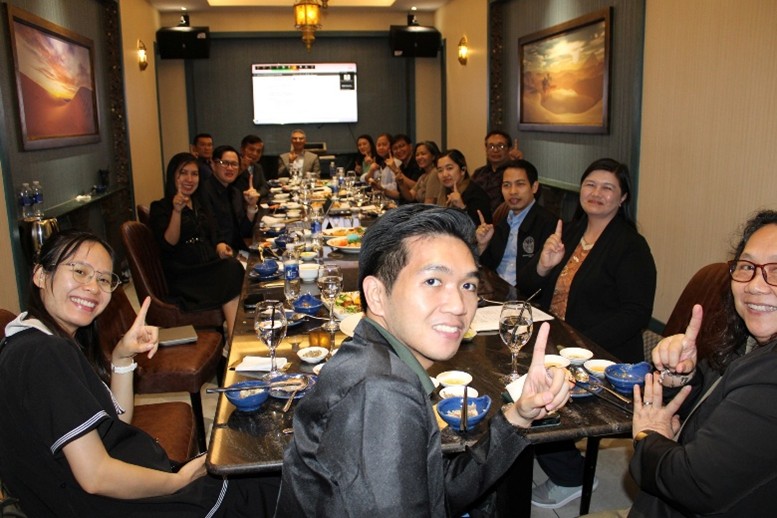
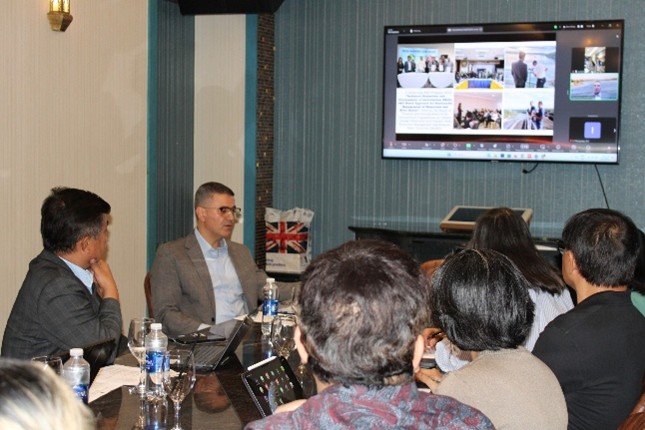
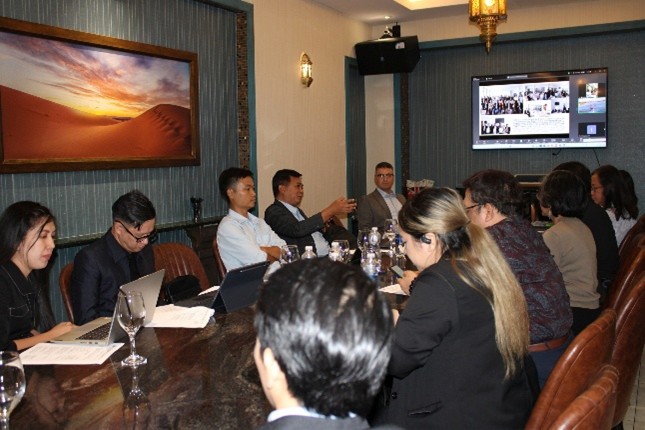
The gathering commenced with a hybrid organizational meeting of the IOCCADRRM founding members and incorporators from various ASEAN member states, with top-notch executives from the Climate Change Commission, Commissioner Albert Dela Cruz; Provincial and Local Government Units in Isabela, Atty. Christopher Mamauag and Hon. Mila Mamauag; and Mountain Province State University, Vice President Epiphania B. Magwilang, as guests. The convergence served as a channel for the deliberation of possible collaborative projects and networks. Highlights included discussions on international R&D funding opportunities, future conferences, international organization’s officers, financial accounts, strategic directions and expansion plans, and activities for the organization’s global visibility.
Day 2: August 28, 2025
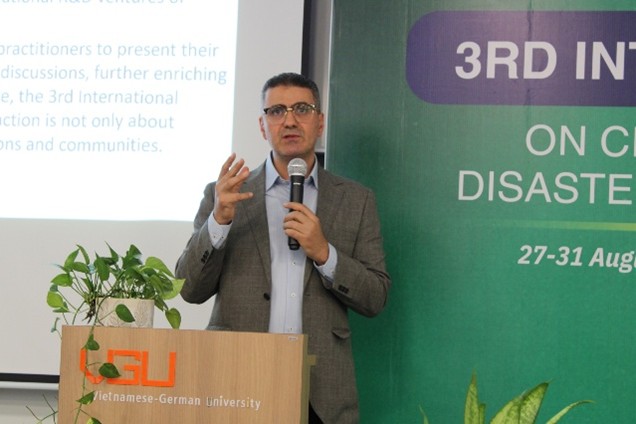
The second day of the conference was formally opened with Dr. Thomas Aulig, Vice President of the Vietnamese-German University, warmly welcoming over 140 participants from across ASEAN and beyond. The attendees included scientists, professionals, graduate students, researchers, local executives, and institutional heads from the Philippines, Vietnam, Cambodia, Japan, and Iran. In his remarks, he emphasized VGU’s role as a hub bridging science, education, and practice to contribute solutions to both national and global challenges. Prof. Sameh Ahmed Kantoush, Kyoto University Full Professor, inspired participants to view research and collaboration as the drivers of collective climate action. Dr. Orlando F. Balderama, ISU Vice President for Research and Development, Extension and Training, then presented the conference overview, its objectives, sub-themes, and expected outputs, ensuring all participants were oriented to the intellectual journey ahead. Likewise, he also introduced the participants from the Philippines, Japan, Vietnam, Cambodia, and Iran, as well as the first keynote speaker of the international conference.
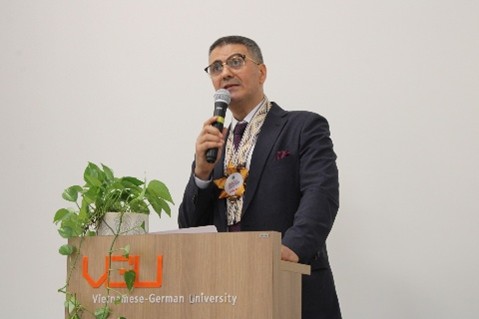
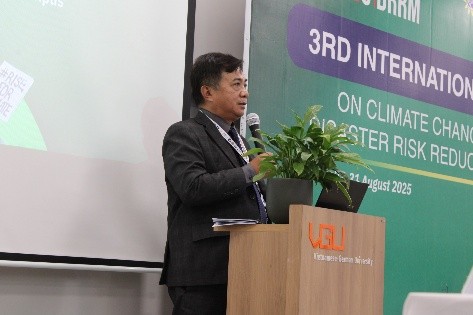
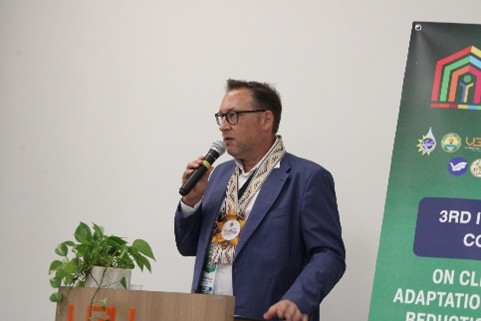
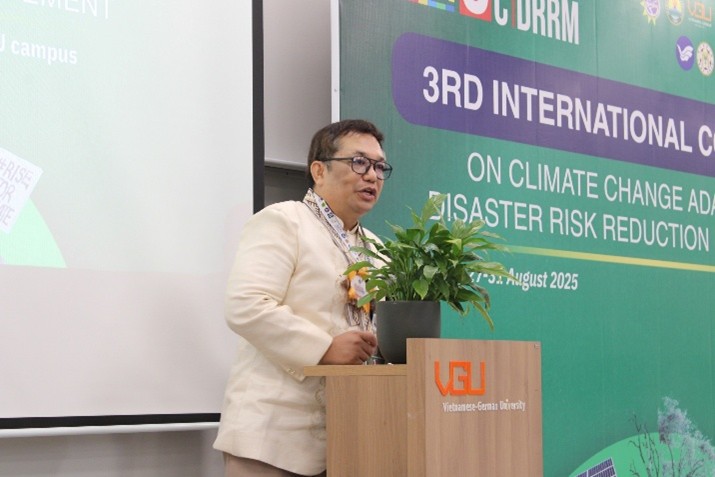
Afterward, Commissioner Albert P. Dela Cruz Sr., of the Philippine Climate Change Commission, delivered a keynote that emphasized the mainstreaming of science-informed policies into governance, particularly highlighting the Philippines’ National Adaptation Plan and ASEAN carbon market. On the other hand, Prof. Boyet L. Batang, Isabela State University President, who was introduced as the second keynote speaker by Dr. Miladis B. Mabutol, CVAARRD Director, urged the universities to bridge science into policies and actions, empower youth leadership, and deepen international cooperation—ending with a clear call to act together, in solidarity and hope. Afterward, as an embodiment of generosity and appreciation for the fortified partnership, the Vietnamese-German University bestowed tokens of gratitude to all the keynote and plenary speakers, including the founding members and secretariat of the IOCCADRRM. On the other side, the Cagayan Valley Agricultural and Aquatic Resources Research and Development (CVAARRD) reciprocated the kindness and gratitude of the Vietnamese-German University by giving a plaque of appreciation and a special token to the VGU officials. Furthermore, Prof. Isagani P. Angeles, ISU Vice President for Planning and Development and Treasurer of IOCCADRRM, introduced the third keynote speaker, Mr. Ota Michio, a Senior Specialist for Water Resources Engineering at the Japan Water Agency. He showcased Japan’s integrated water resources management, the evolution of dam operations, ensemble rainfall forecasting, and AI-driven hydrological models as advanced solutions for both water security and disaster risk reduction.
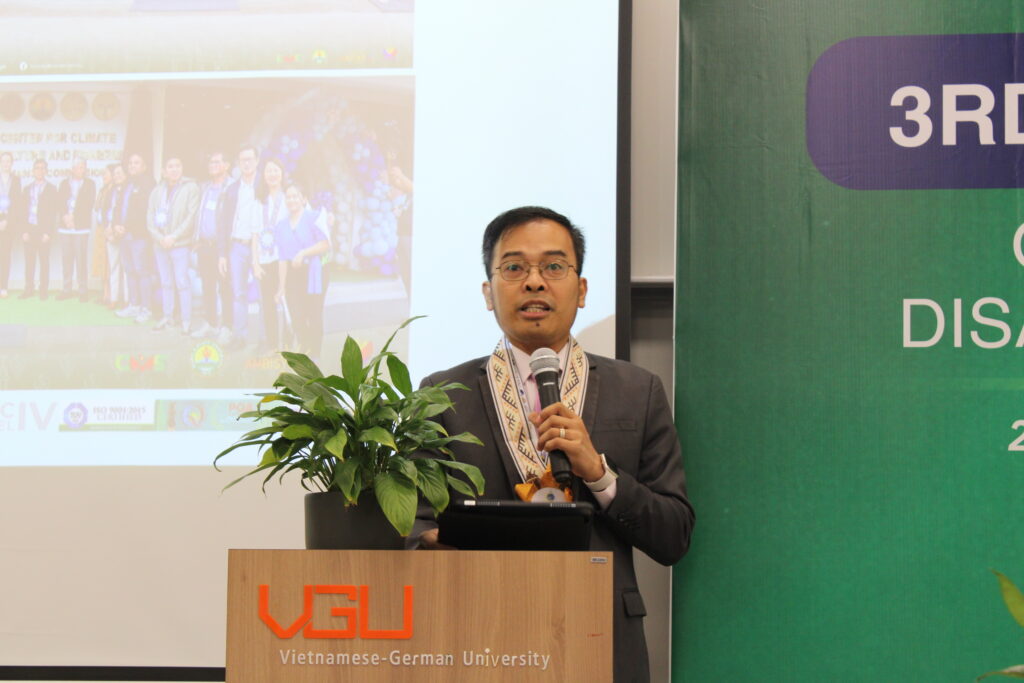
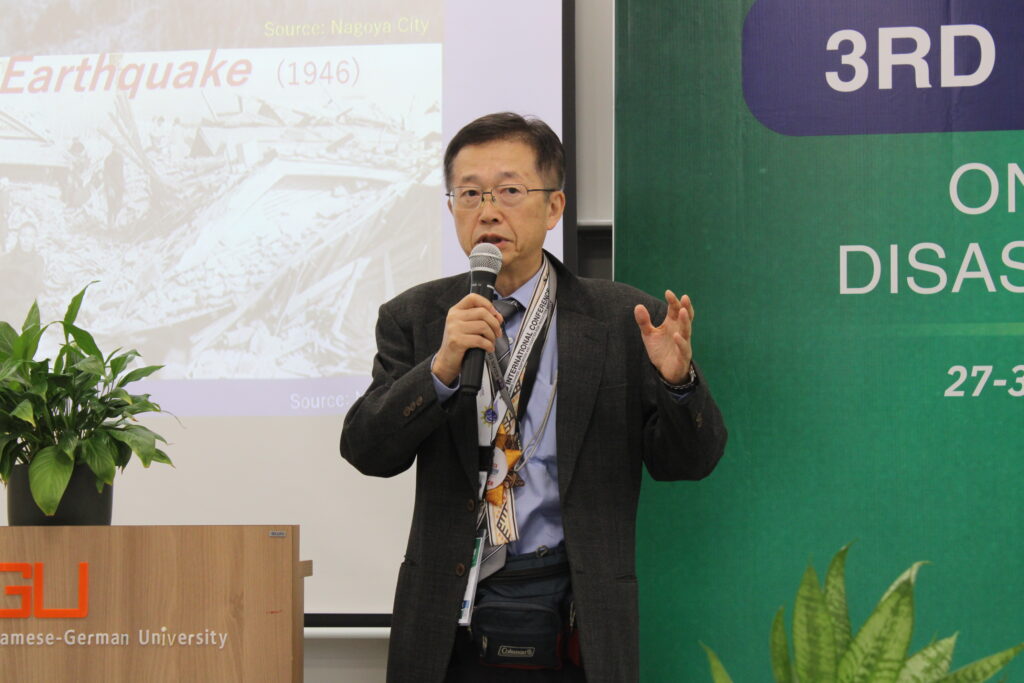
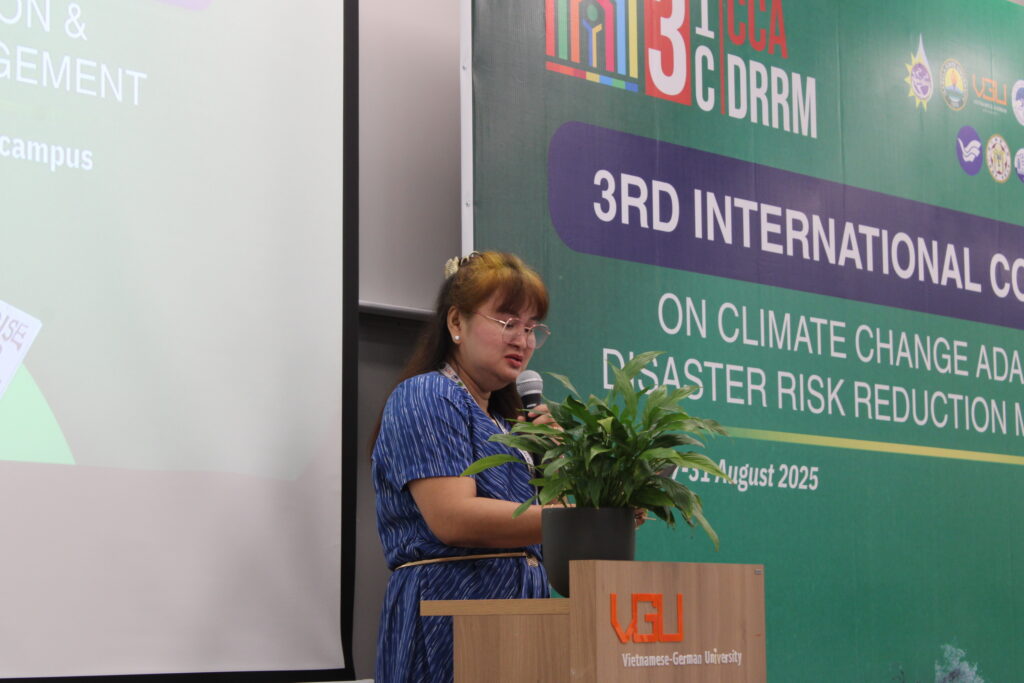
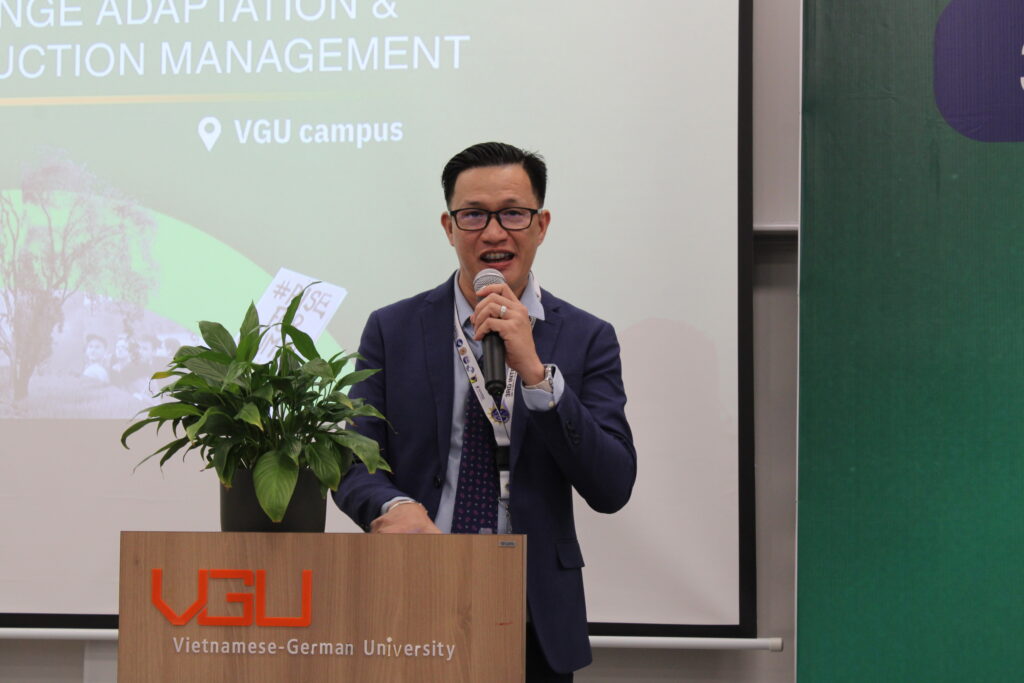
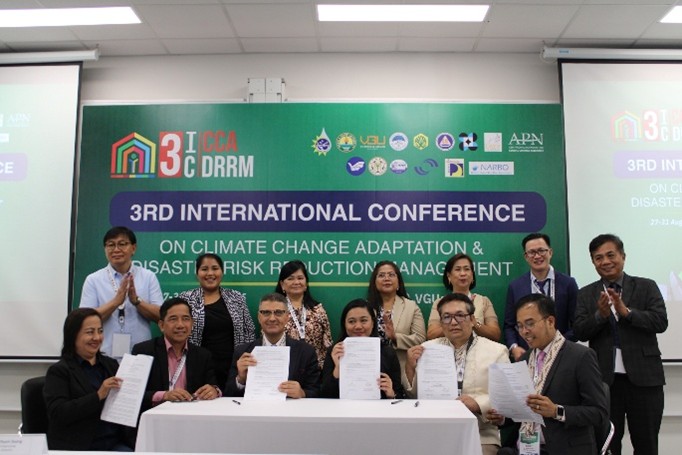
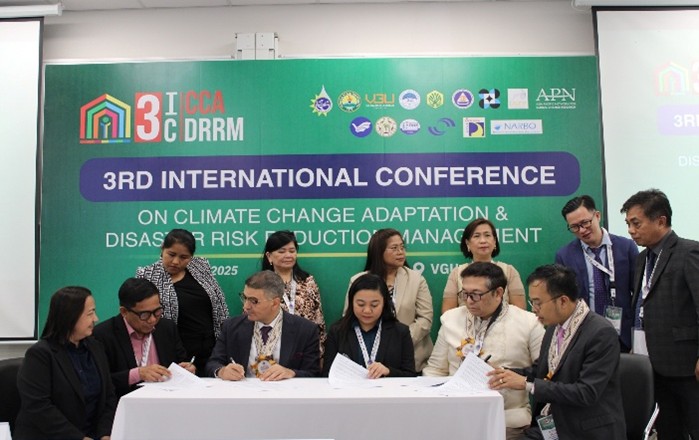
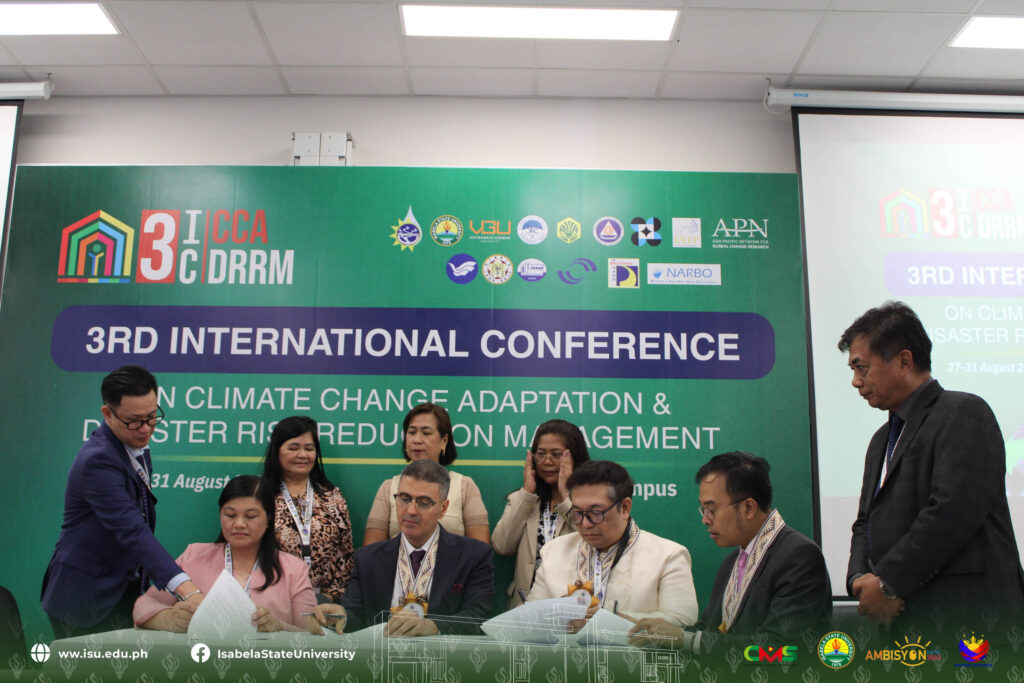
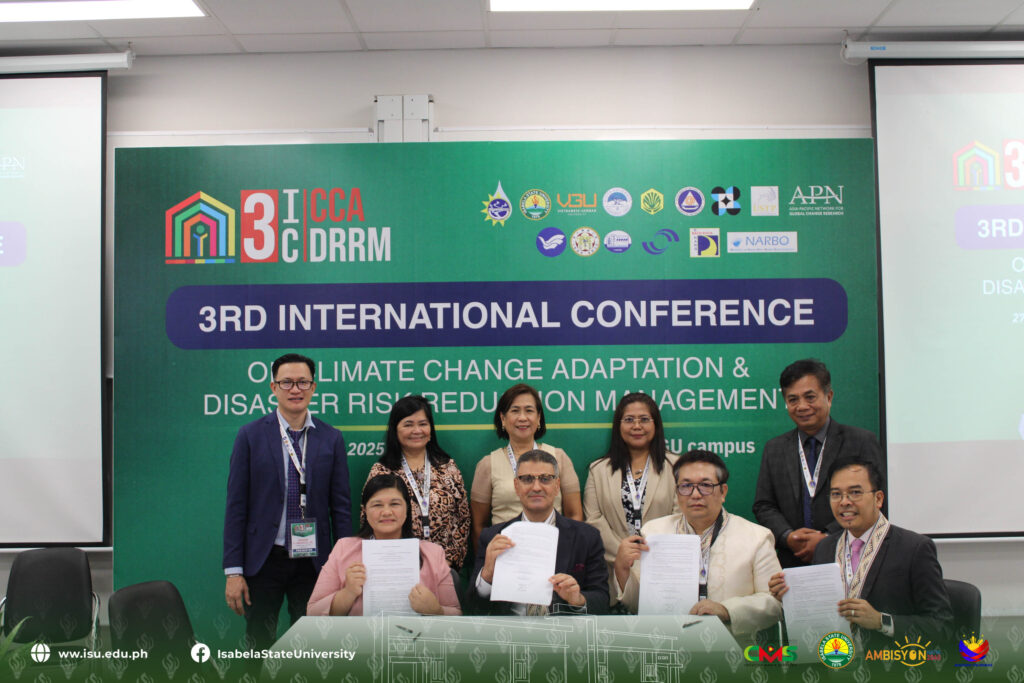
In addition, a ceremonial signing of a Memorandum of Understanding between the Vietnamese-German University and the Cagayan Valley Agriculture, Aquatic, and Resources Research and Development (CVAARRD) marked a significant institutional partnership for future research exchanges. Likewise, in advancing partnerships aligned with UNESCO’s Sustainable Development Goals, a series of ceremonial MOUs were signed among Local Executives in Isabela, Mountain Province State University, the Climate Change Commission, Office of the Civil Defense, and the international organization. Subsequently, the poster exhibits were officially opened, showcasing innovative studies from across ASEAN member states.
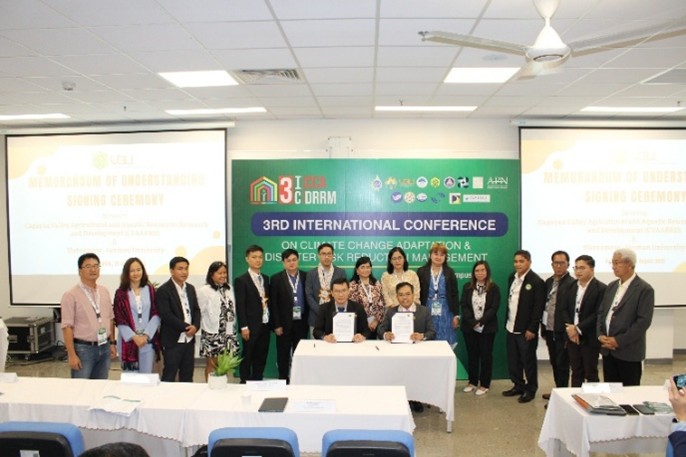
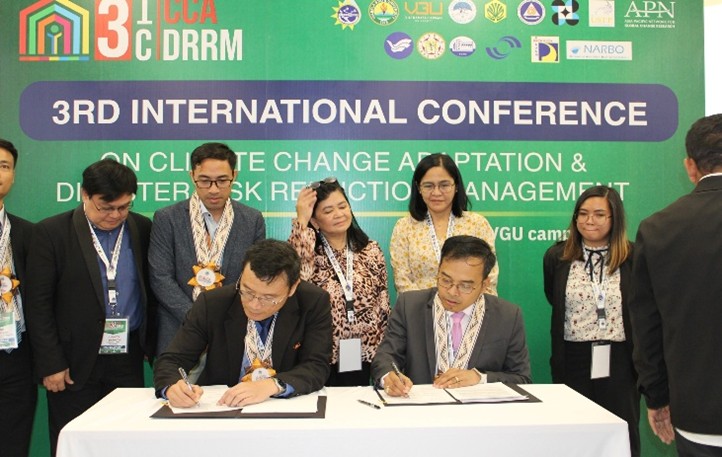
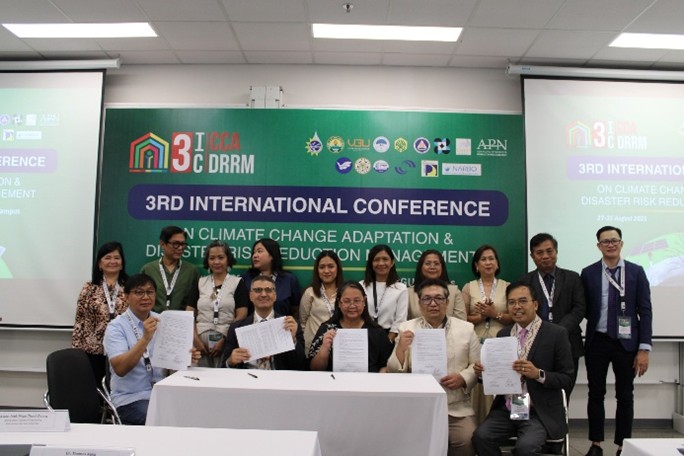
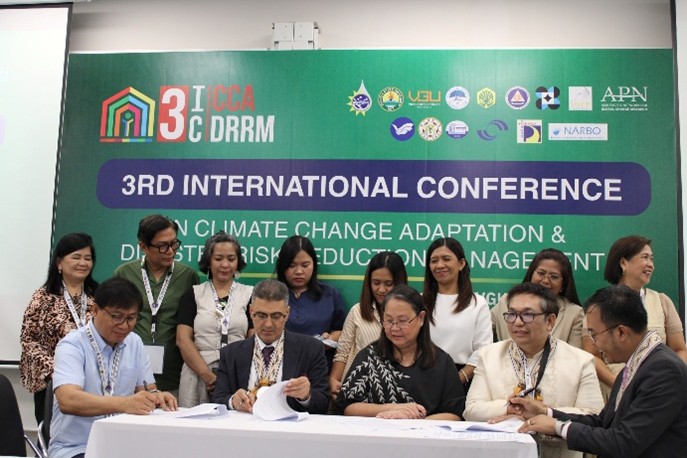
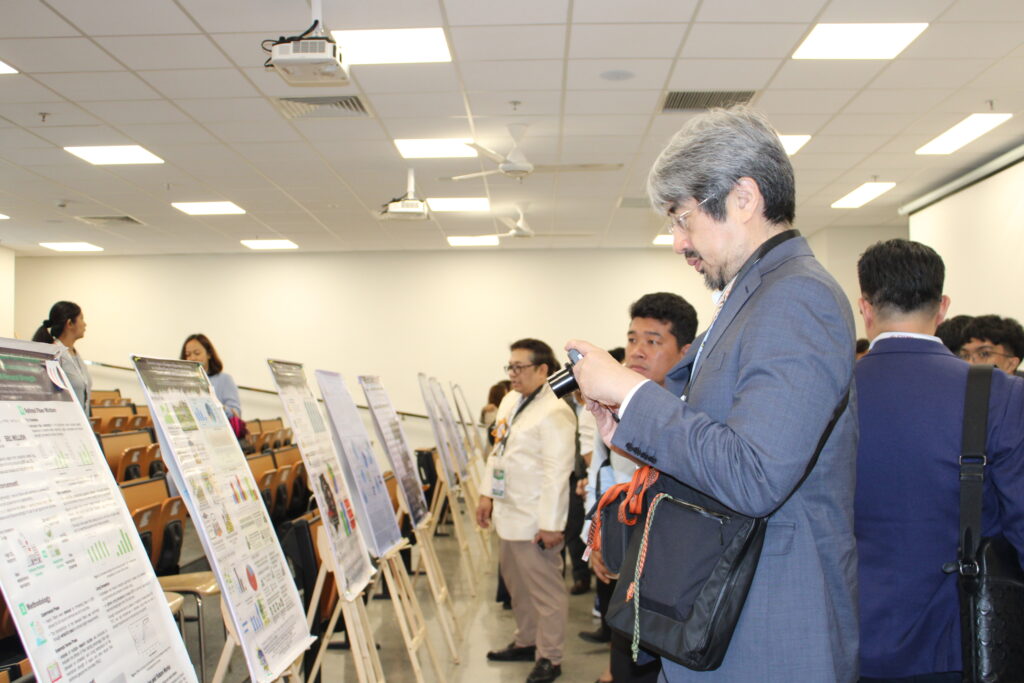
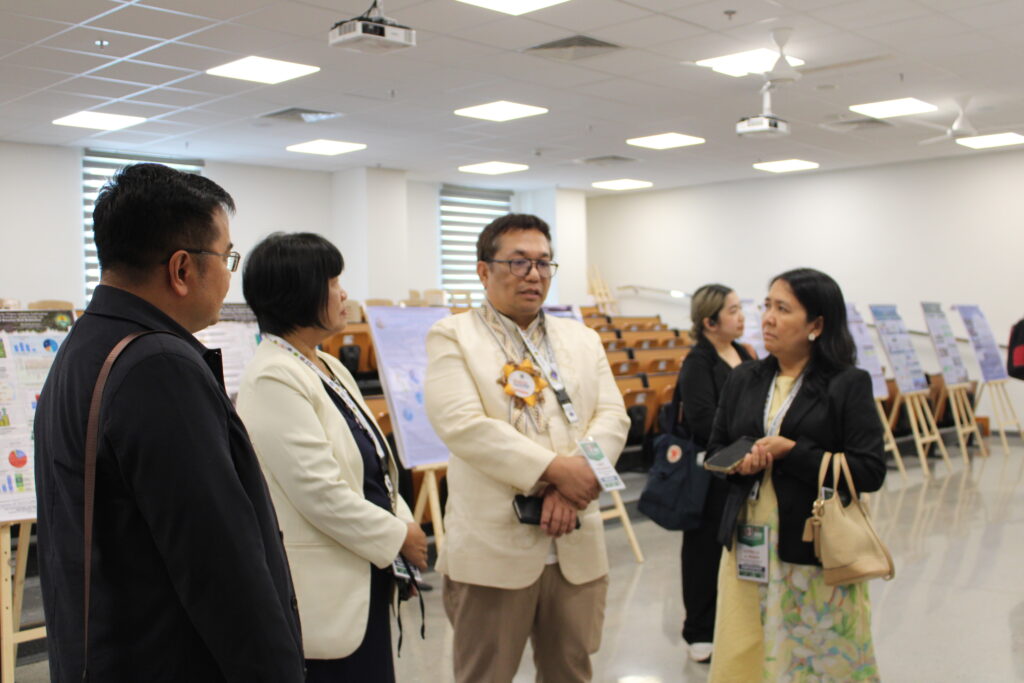
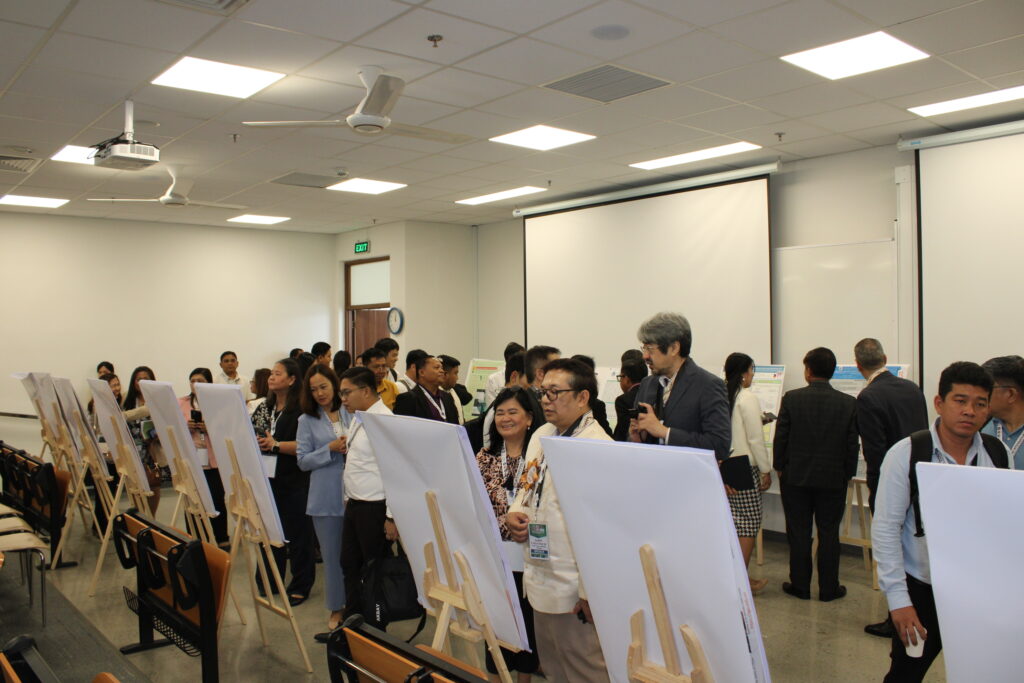
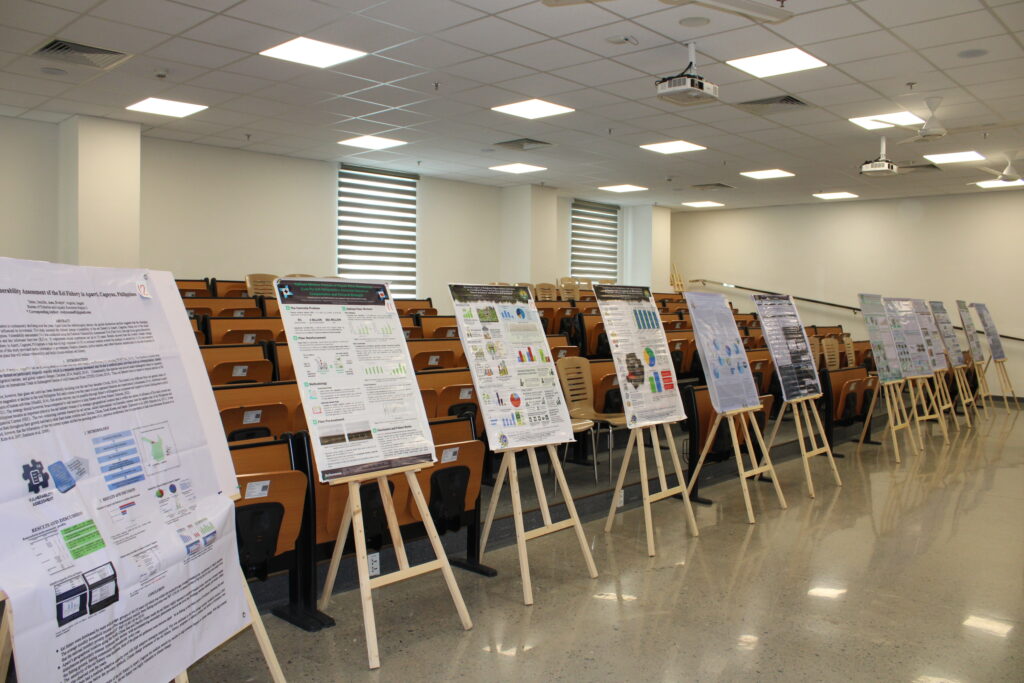
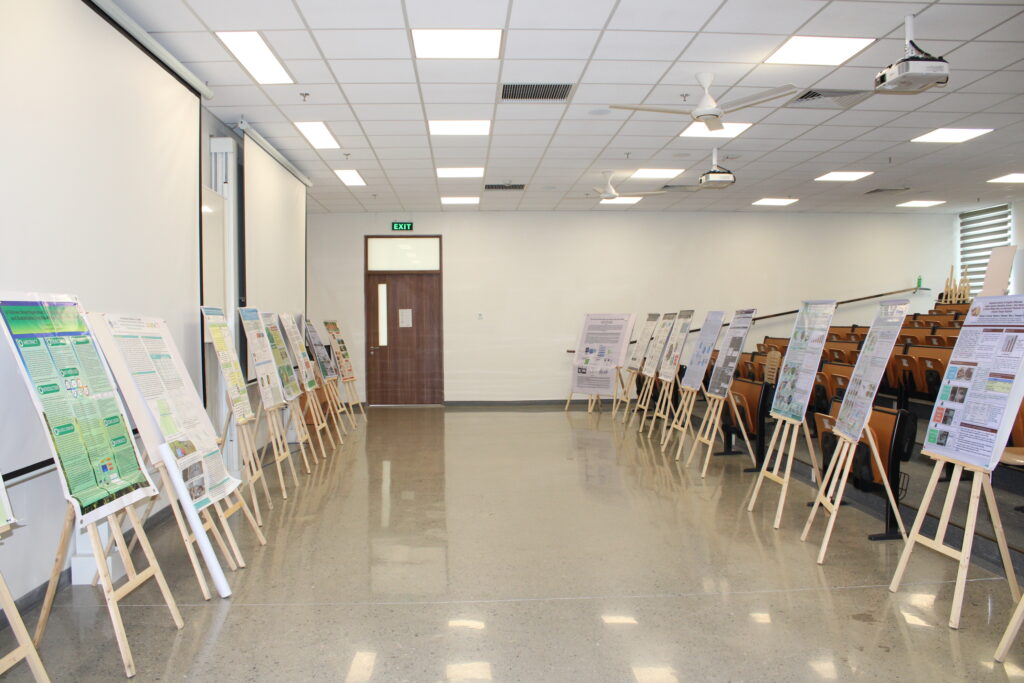
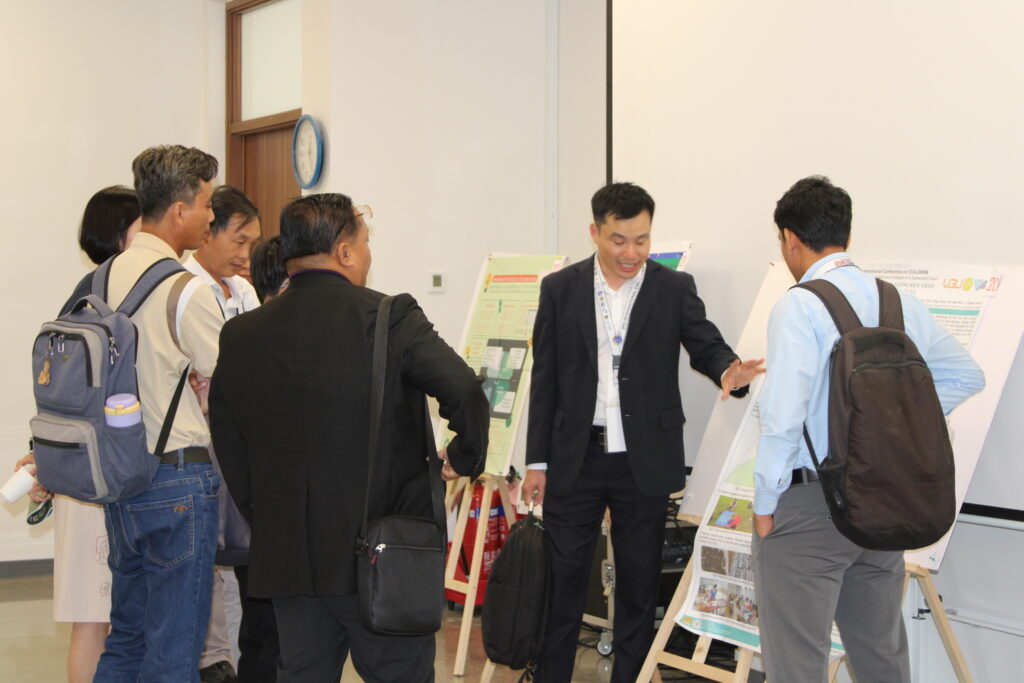
In the afternoon, the plenary sessions brought together a diverse pool of experts from the government, academe, and industry. Mr. Richard Nixon Gomez, General Manager of BauerTek Farmaceutical Technologies Corp., Philippines, presented innovations in pharmaceutical crops and sustainable agriculture, showcasing high-value plants such as Moringa oleifera as potential health and economic drivers. Representing General Harold N. Cabreros of the Office of Civil Defense, Philippines, Mr. Benito Salvador, Chief of the Training and Education Division, outlined the Philippine Disaster Risk Profile and stressed the paradigm shift that moved the Philippines from a reactive to a proactive DRRM system, embracing a whole-of-society approach.
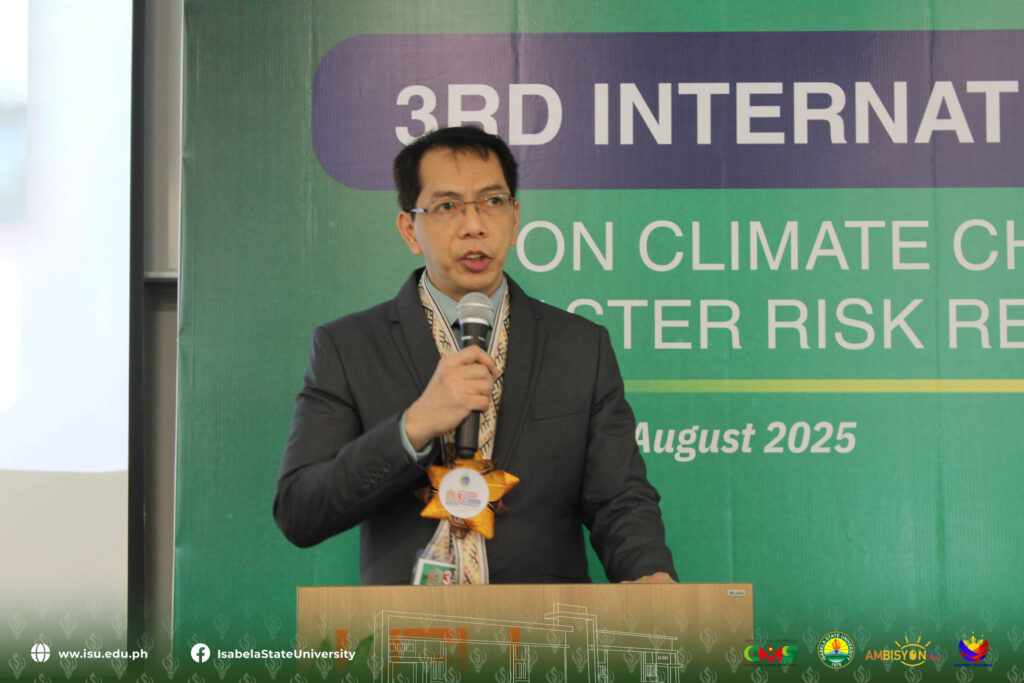
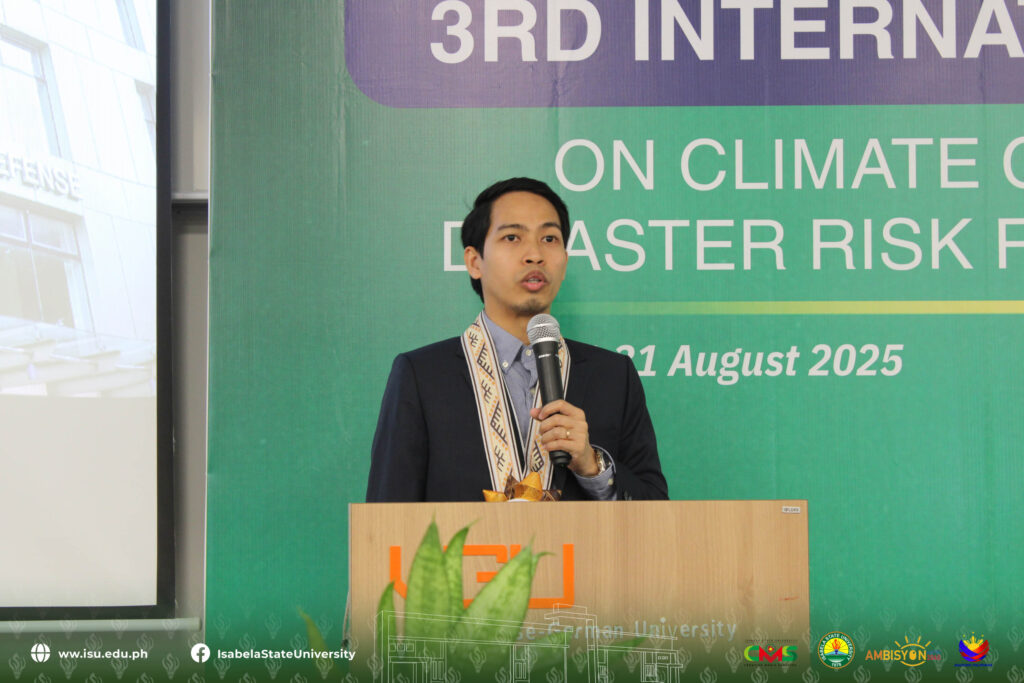
The second plenary session featured Mr. Higuchi Tomotaka, Deputy Director of International Affairs, Japan Water Agency, who shared Japan’s practices on dam disaster prevention, underscoring that early coordination with local governments, transparency, and community drills are as vital as technical dam engineering. In the same vein, Prof. Vahid Nourani, from the University of Tabriz, Iran, discussed the use of large-scale climate indices and Z-number modeling to improve extreme rainfall and flood prediction. For the Plenary Session 3, Dr. Rex Ferdinand Traifalgar, a professor, director, and scientist at the University of the Philippines-Visayas, elaborated on bioactive feed supplements for aquaculture that improve fish resilience in extreme climate conditions. He also stressed that sustainable aquaculture is central to both food security and economic stability in vulnerable nations.
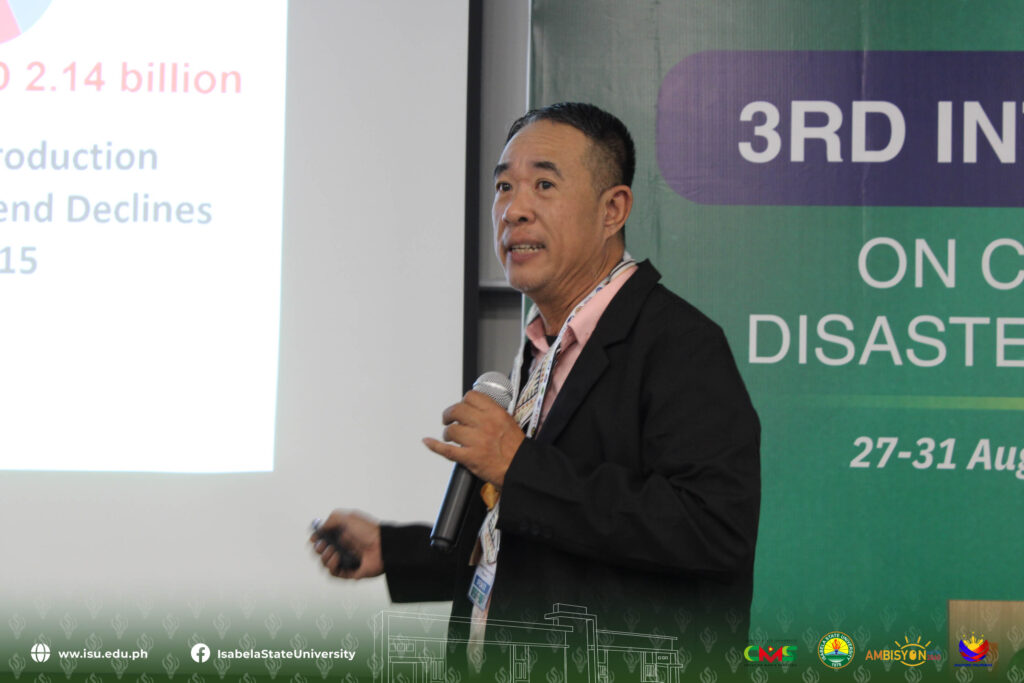
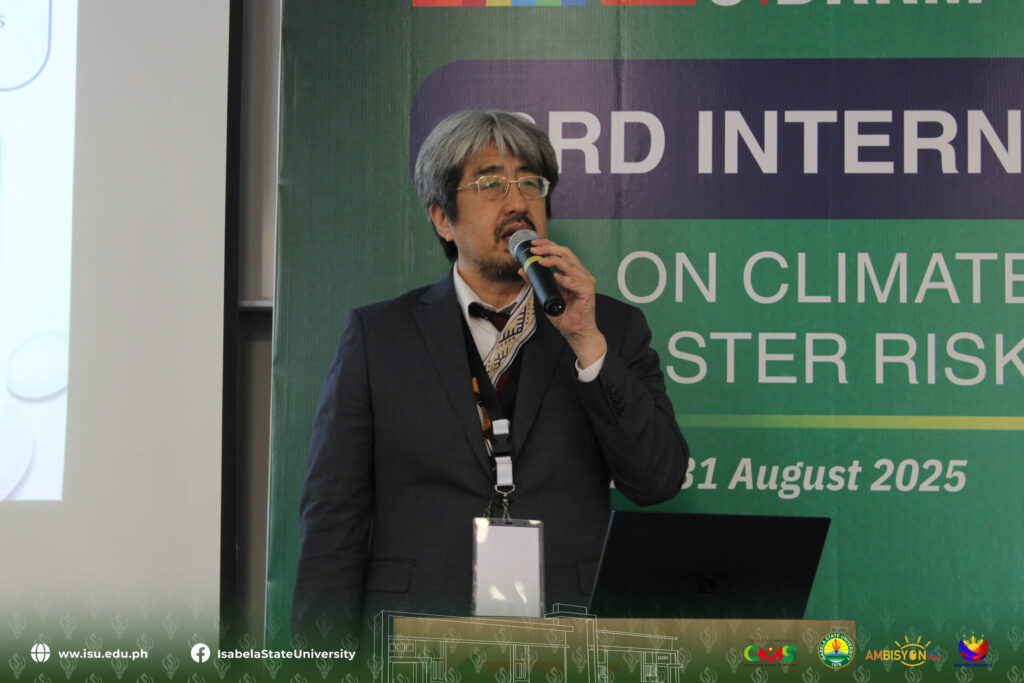
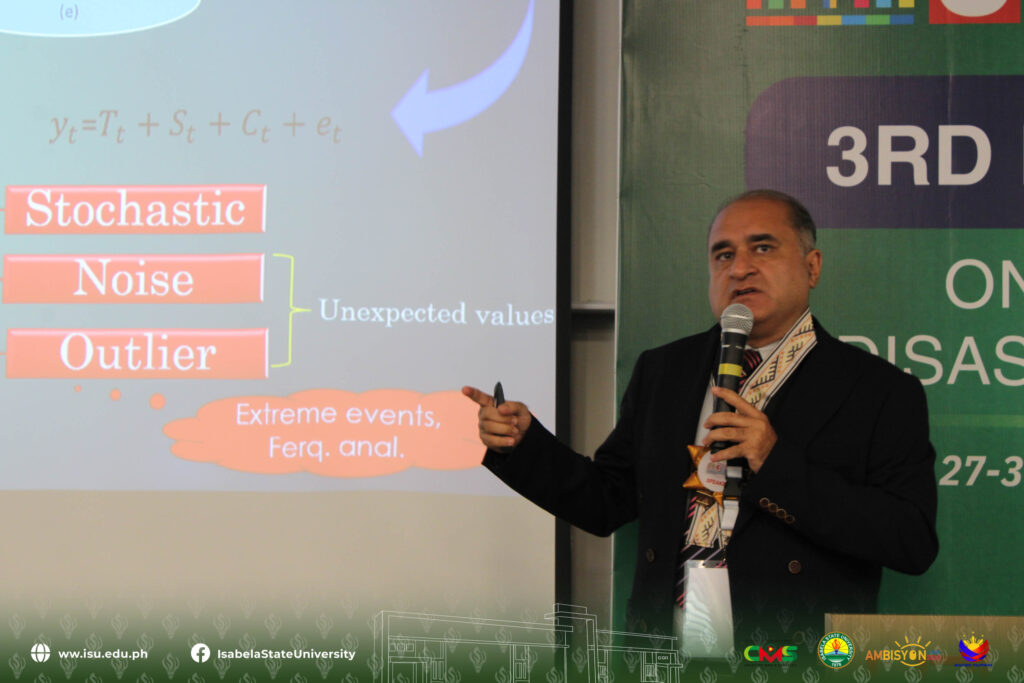
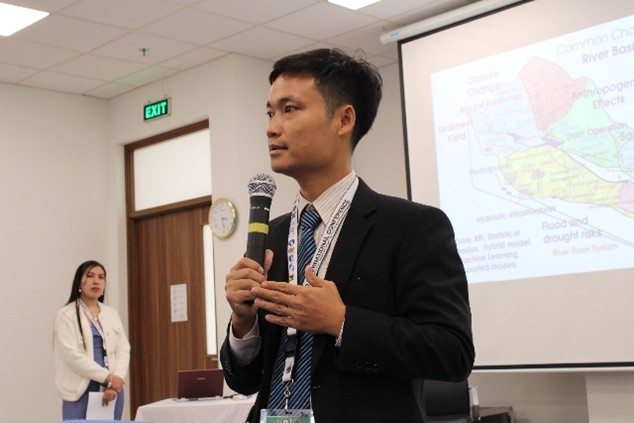
Additionally, Prof. Kantoush drew from Japan’s resilient water and urban systems under climate change and variability. He underscored smart and adaptive dam and reservoir operations—grounded in better forecasts and multi-objective optimization—as keys to the reduction of downstream risks, and resilient and sustainable watershed governance. Lastly, Dr. Doan Van Binh, a Lecturer at the Vietnamese-German University, presented his findings from the APN project in the Mekong Delta. He illustrated how floating rice cultivation, supported by natural sediment inflow, is a nature-based solution for food security and emphasized the vital role of upstream–downstream collaboration for the long-term sustainability of agriculture. The plenary sessions were enriched with a question-and-answer phase to expand on the key concepts embedded in the presentations and foster interactive information exchange among researchers, innovators, policymakers, and climate advocates. The first day of the conference concluded with the Gala and Networking Dinner, which provided a meaningful venue for partnership building.